Welcome to the UPLiFT Lab!
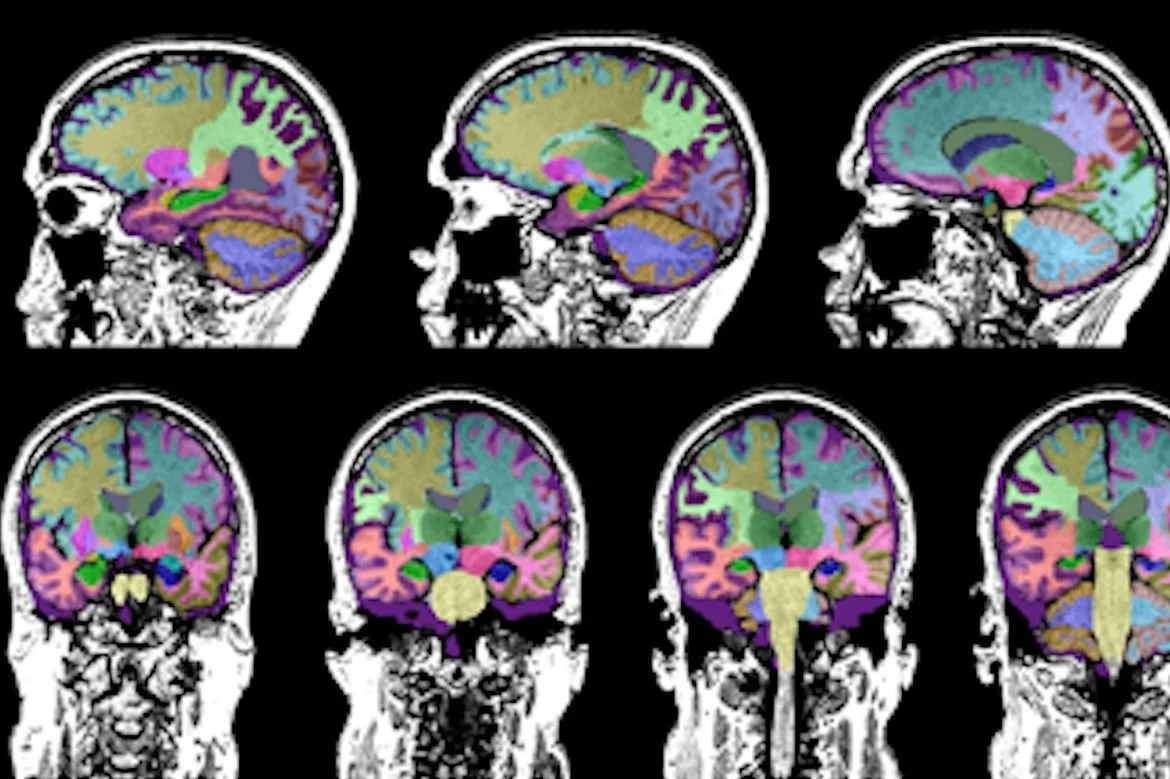
Our lab combines psychological assessment and state-of-the-art neuroimaging techniques (fMRI and PET) to advance understanding of the relationships between trauma (e.g. PTSD, borderline personality disorder, adverse childhood events) and risk for suicide. We aim to contribute to the development of precision psychiatric interventions, harnessing PET’s unique capacity to test brain and behavior relationships at a molecular level and novel techniques for analyzing behavioral health data. We further aim to contribute to the design and validation of psychiatric assessments to optimize measurement of trauma related psychopathology and constructs relevant to suicide behavior. Our underlying goal is to increase treatment options, create resources, and combat stigma in service of improving life for trauma survivors and the people who love them.
Navigate to this link to learn more about participating in our research. We look forward to working with you!
Our Lab Director.

Dr. Margaret “Maggie” T. Davis, PhD.
Associate Professor | Yale School of Medicine Department of Psychiatry
co-appointment | Department of Psychology
Dr. Davis is a licensed clinical psychologist and Associate Professor in the Yale Department of Psychiatry, co-appointed in the Department of Psychology. As an emergent expert in trauma-and-stressor related conditions, her work seeks to identify neurobiological mechanisms underlying behavioral responses related to PTSD, borderline personality disorder and other forms of trauma related psychopathology (e.g. eating disorders, OCD, substance use), and their link to suicide behaviors and functional impairment. Beyond her personal research projects, Maggie is a specialist with expertise and clinical experience in prolonged exposure, cognitive processing therapy, cognitive behavioral therapy (various protocols) and dialectical behavior therapy (DBT). She serves as the faculty lead for data integration and research management for the Yale New Haven Health Adult Behavioral Intensive Outpatient Program (IOP), Chair of the Scholarship Committee for the Yale Predoctoral Internship Program, and Director of BPD Outreach and Education for the Yale Department of Psychiatry.
Our Team.
-
![]()
Dr. Emily Weiss, PhD.
-
![]()
Dr. Jenn Loya, PhD.
-
![]()
Dr. Elizabeth Duraney, PhD.
-
![]()
Rachel Miller, MSc.
-
![]()
Victoria Hart-Derrick, B.A.
-
![]()
Dayna Freeman, B.S.
-
![]()
Ruoning "Ning" Li, BSc.
-
![]()
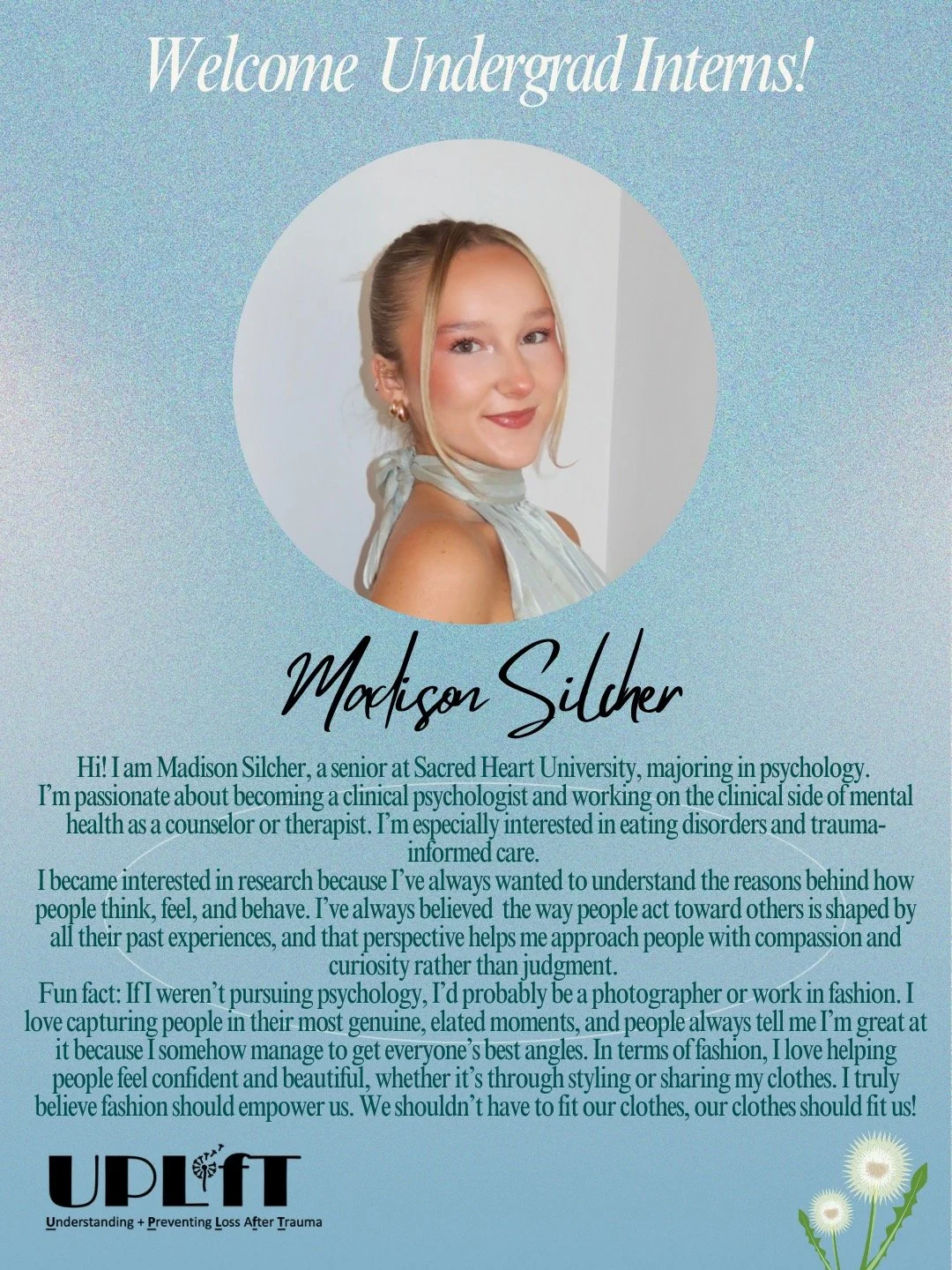
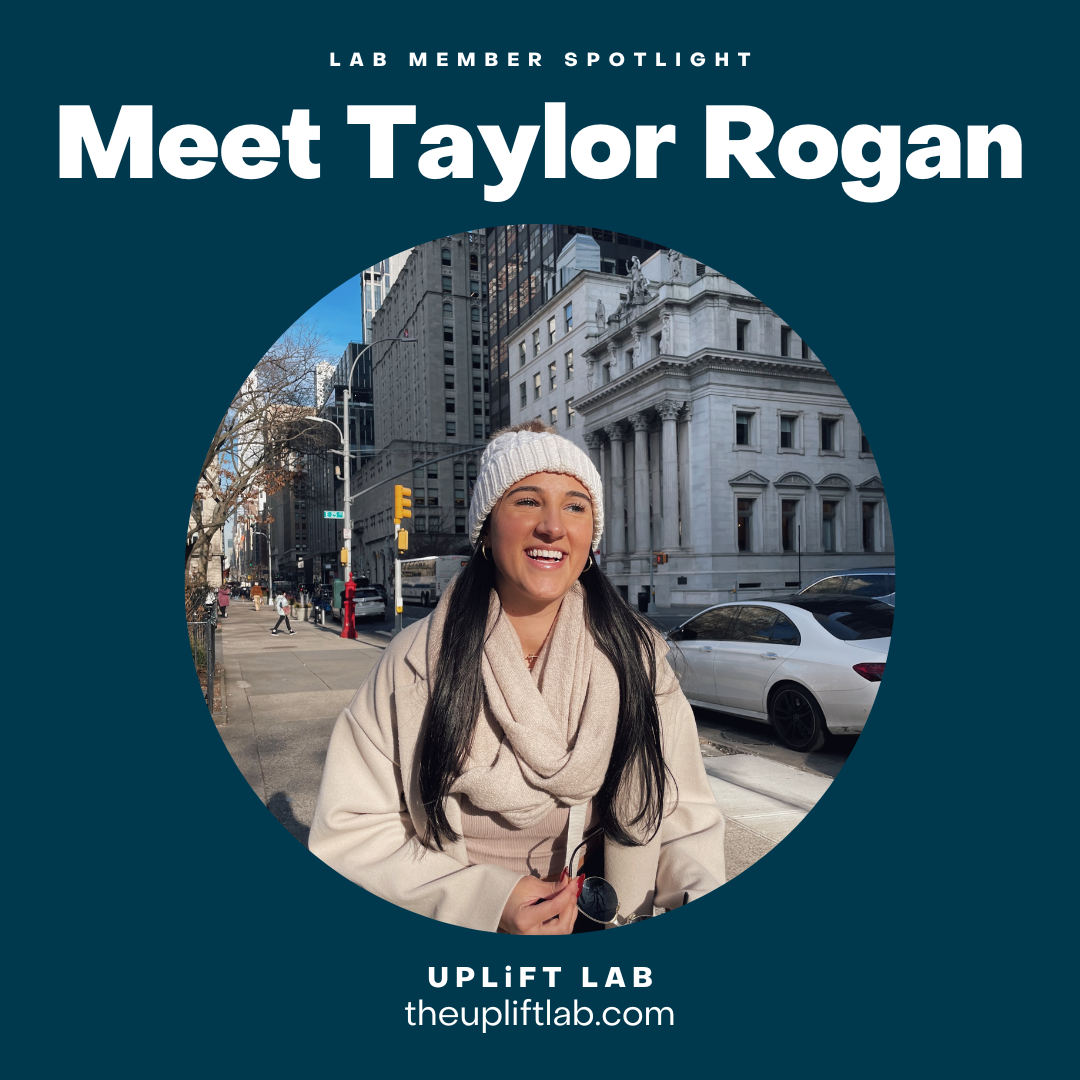
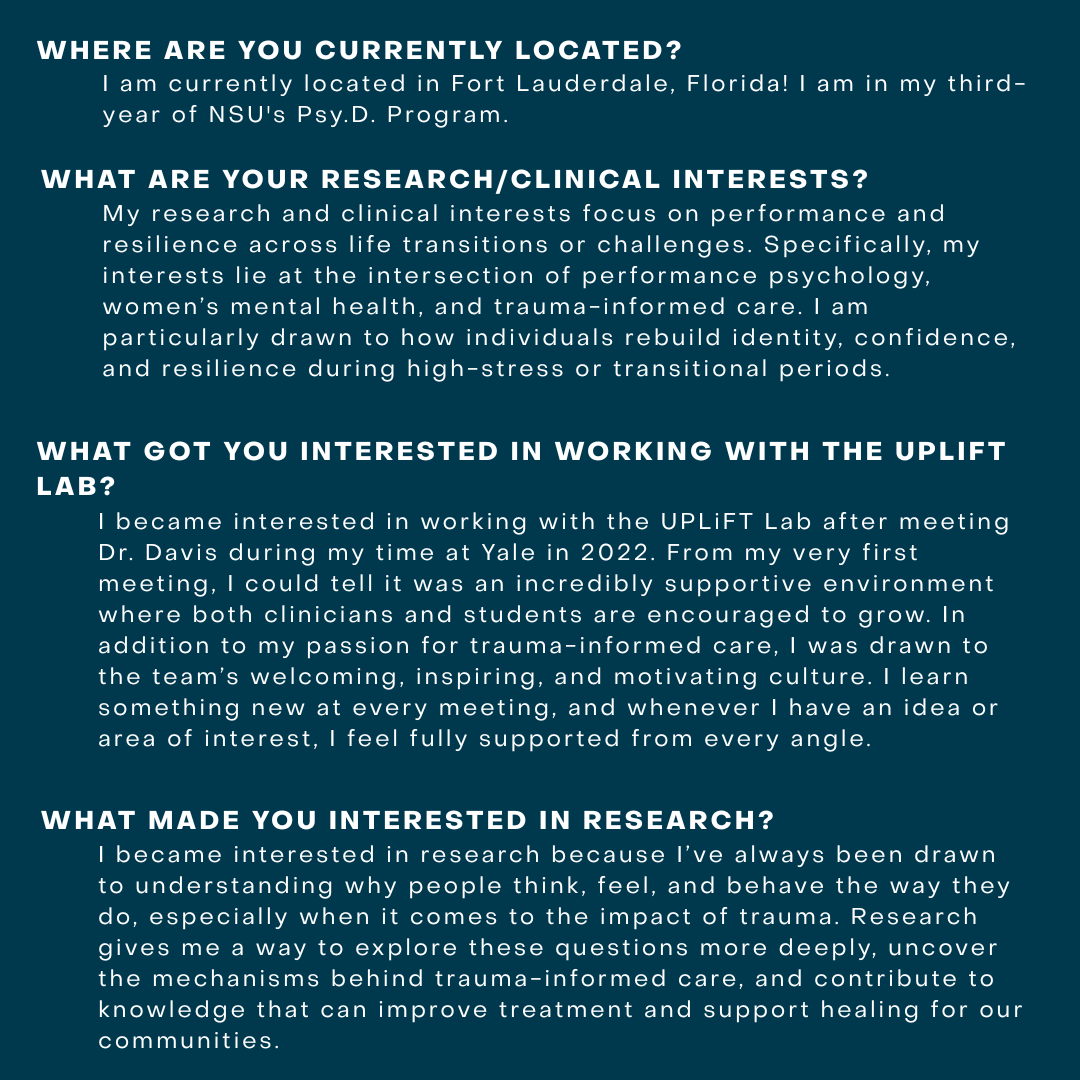
Madison Silcher
-
![]()
Michaela Snyder-Braasch










Research Updates
-
![]()
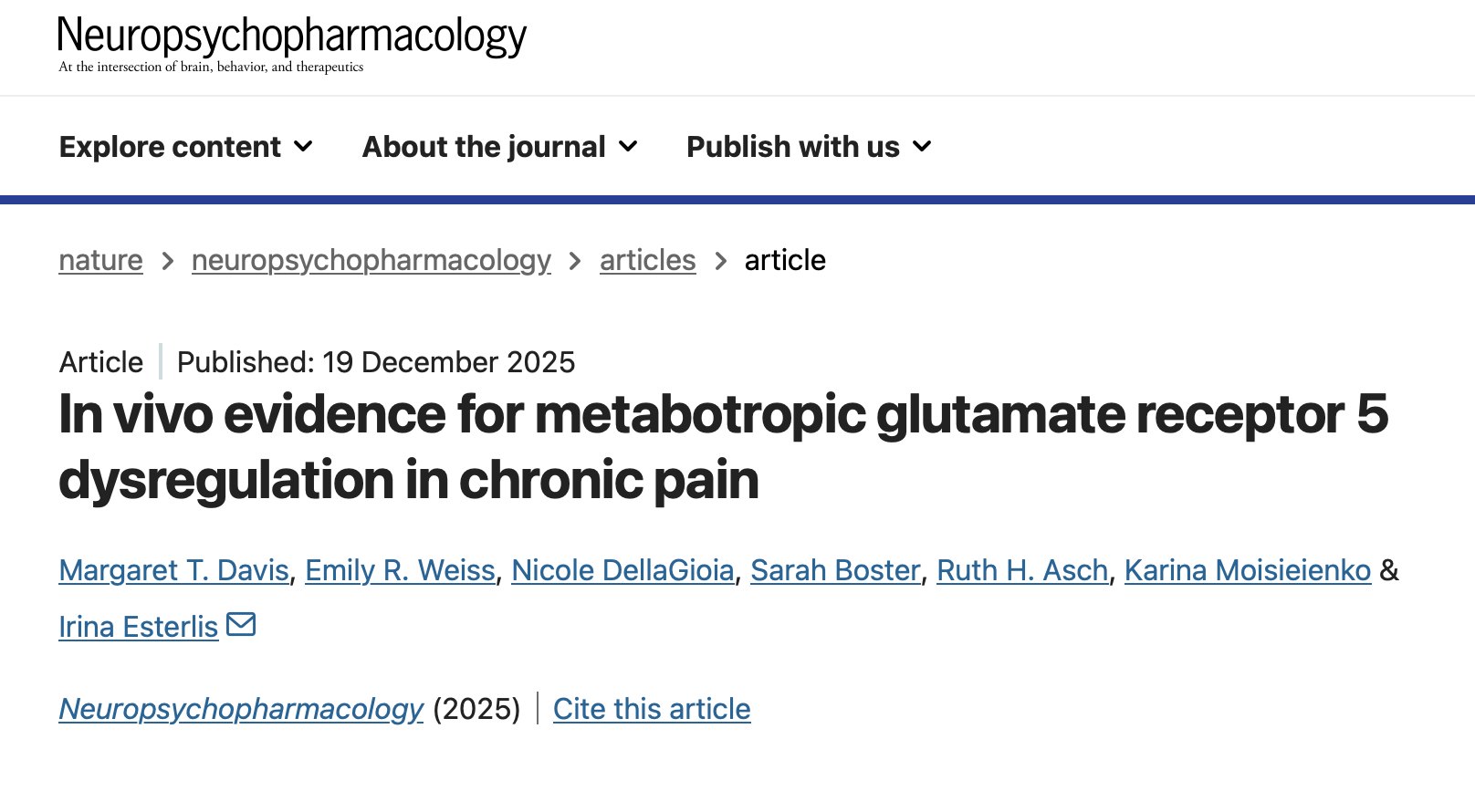
In vivo evidence for metabotropic glutamate receptor 5 dysregulation in chronic pain.
Published December 19th, 2025 in Neuropsychopharmacology
Authorship Team: Davis, M.T., Weiss, E.R., DellaGioia, N., Boster, S., Asch, R.H., Moisieienko, K., & Esterlis, I.
-
![]()
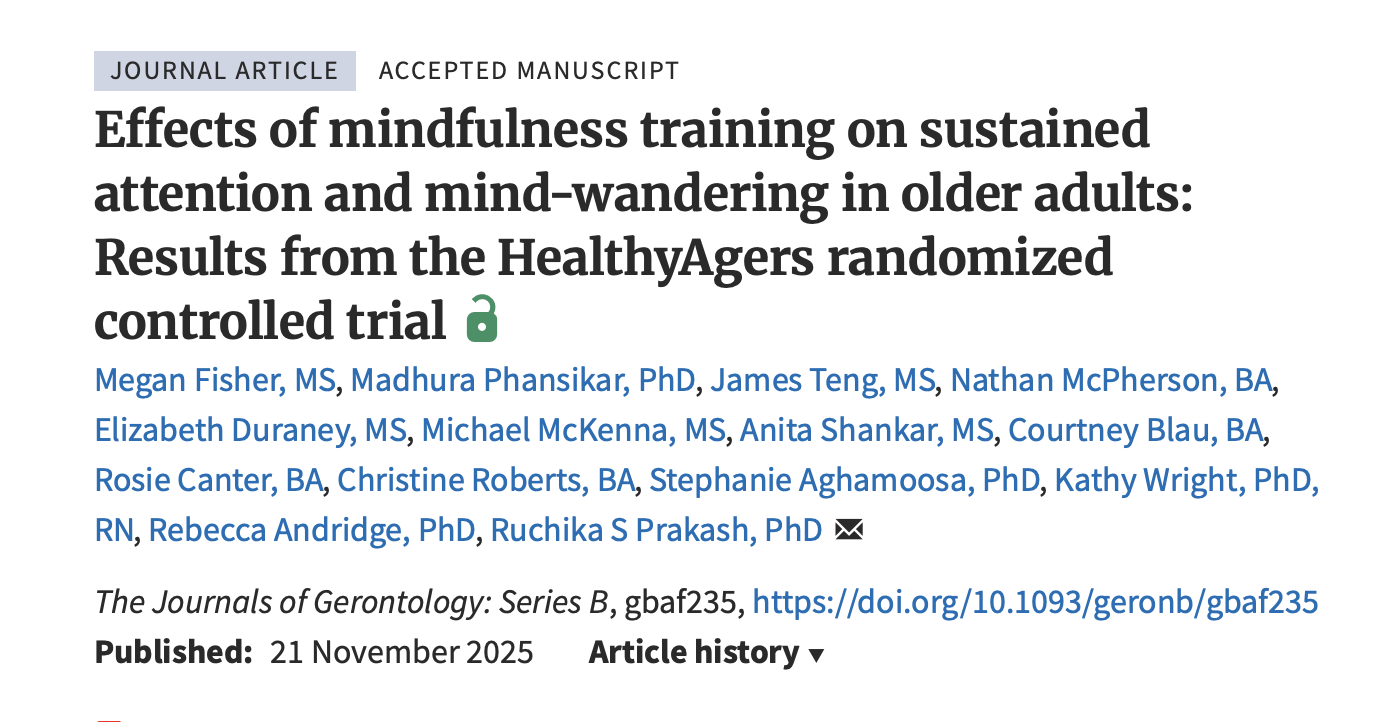
Effects of mindfulness training on sustained attention and mind-wandering in older adults: Results from the HealthyAgers randomized controlled trial
Published on November 21st, 2025 in The Journals of Gerontology, Series B: Psychological Science and Social Sciences.
Authorship team: Fisher, M., Phansikar, M., Teng, J., McPherson, N., Duraney, E., McKenna, M., Shankar, A., Blau, C., Canter, R., Roberts C., Aghamoosa, S., Wright, K., Andridge, R., & Prakash, R.S.
-
![]()
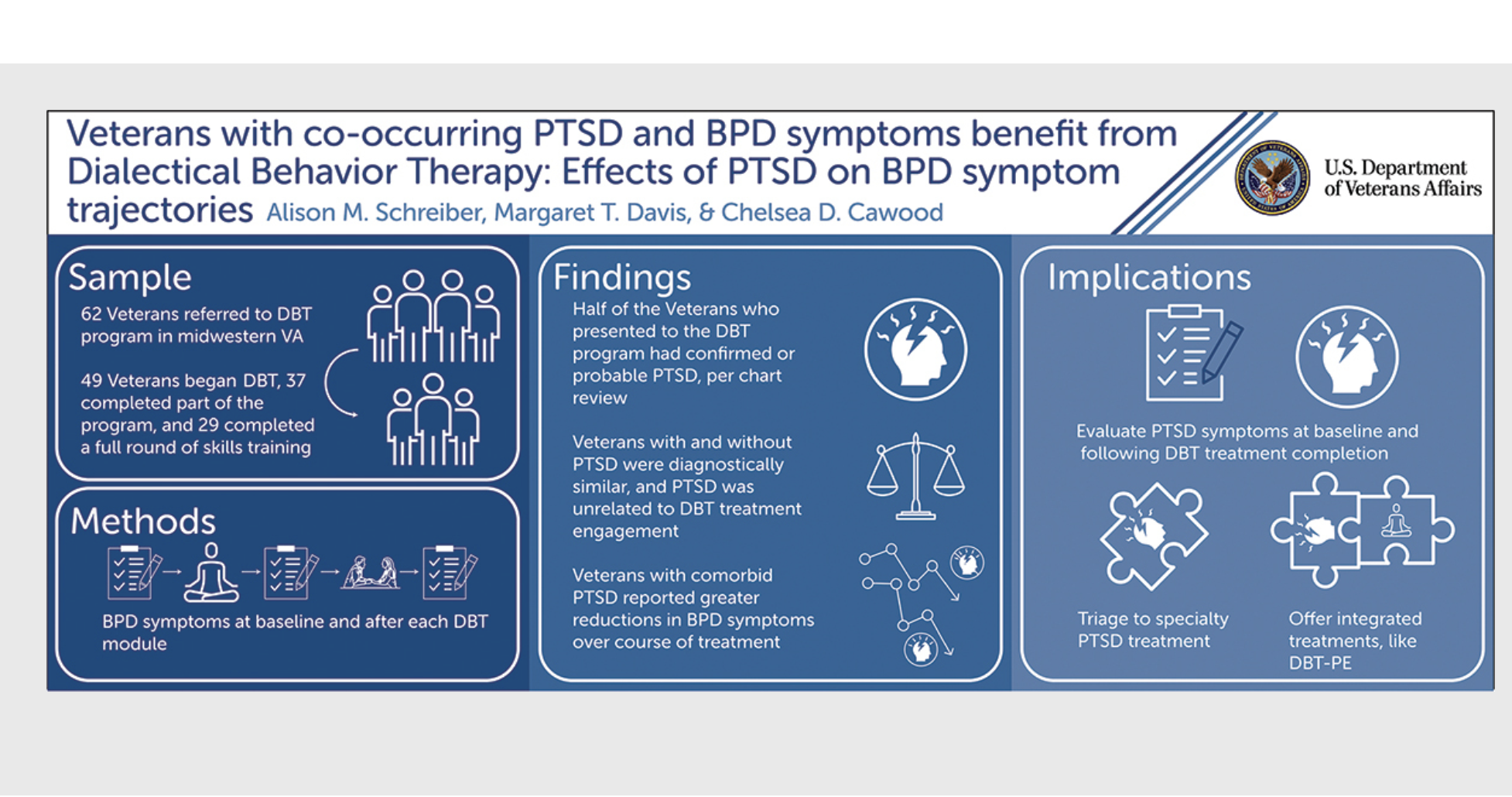
Veterans with co-occurring PTSD and BPD symptoms benefit from dialectical behavior therapy: effects of PTSD on BPD symptom trajectories
Published October 14th, 2025 in Cognitive Behaviour Therapy.
Authorship Team: Schreiber, A.M., Davis, M.T., & Cawood, C.D.
-
![]()
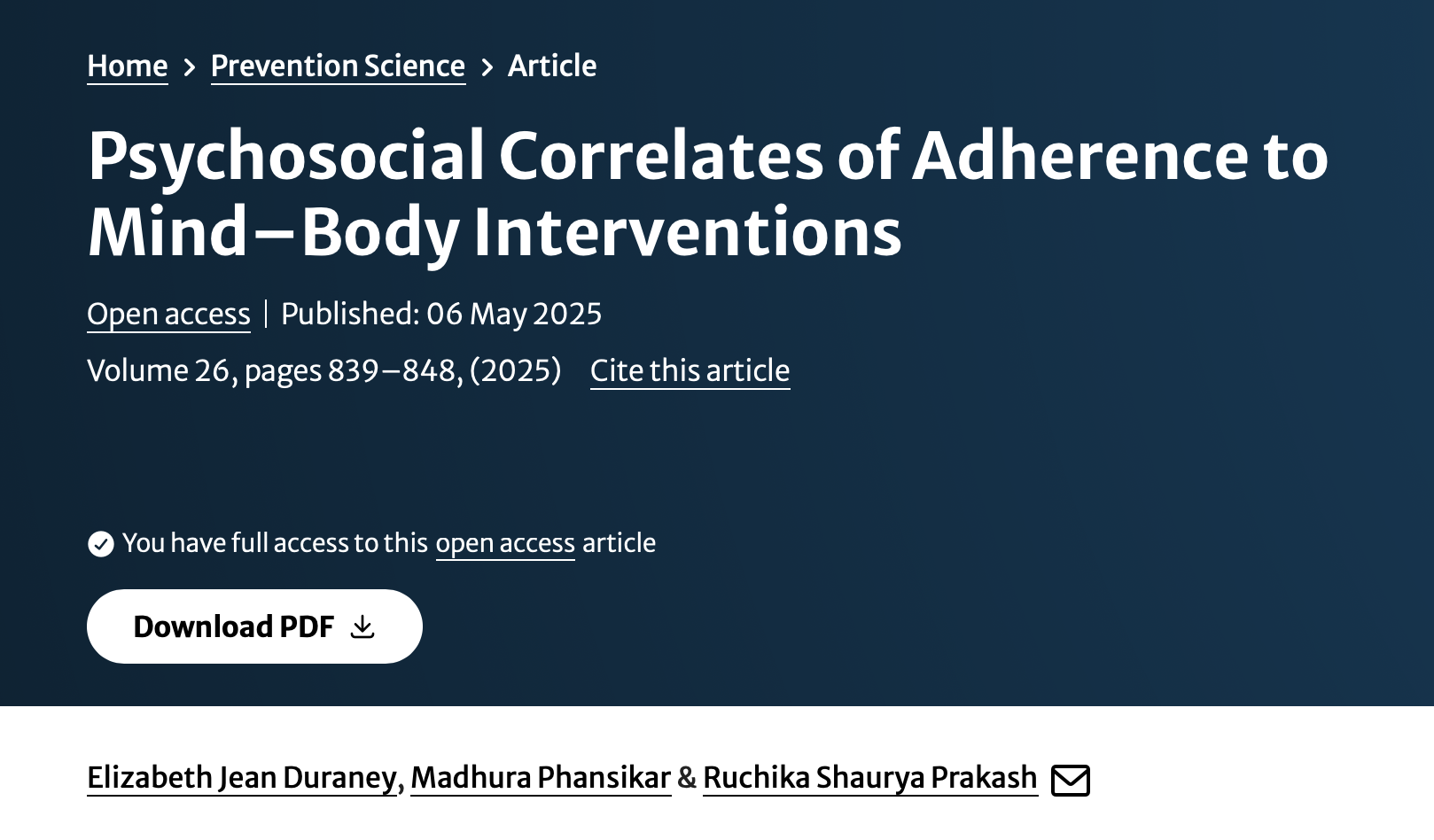
Psychosocial Correlates of Adherence to Mind–Body Interventions
Published May 6th, 2025 in Prevention Science.
Authorship team: Duraney, E.J., Phansikar, M., & Prakash, R.S.
-
![]()
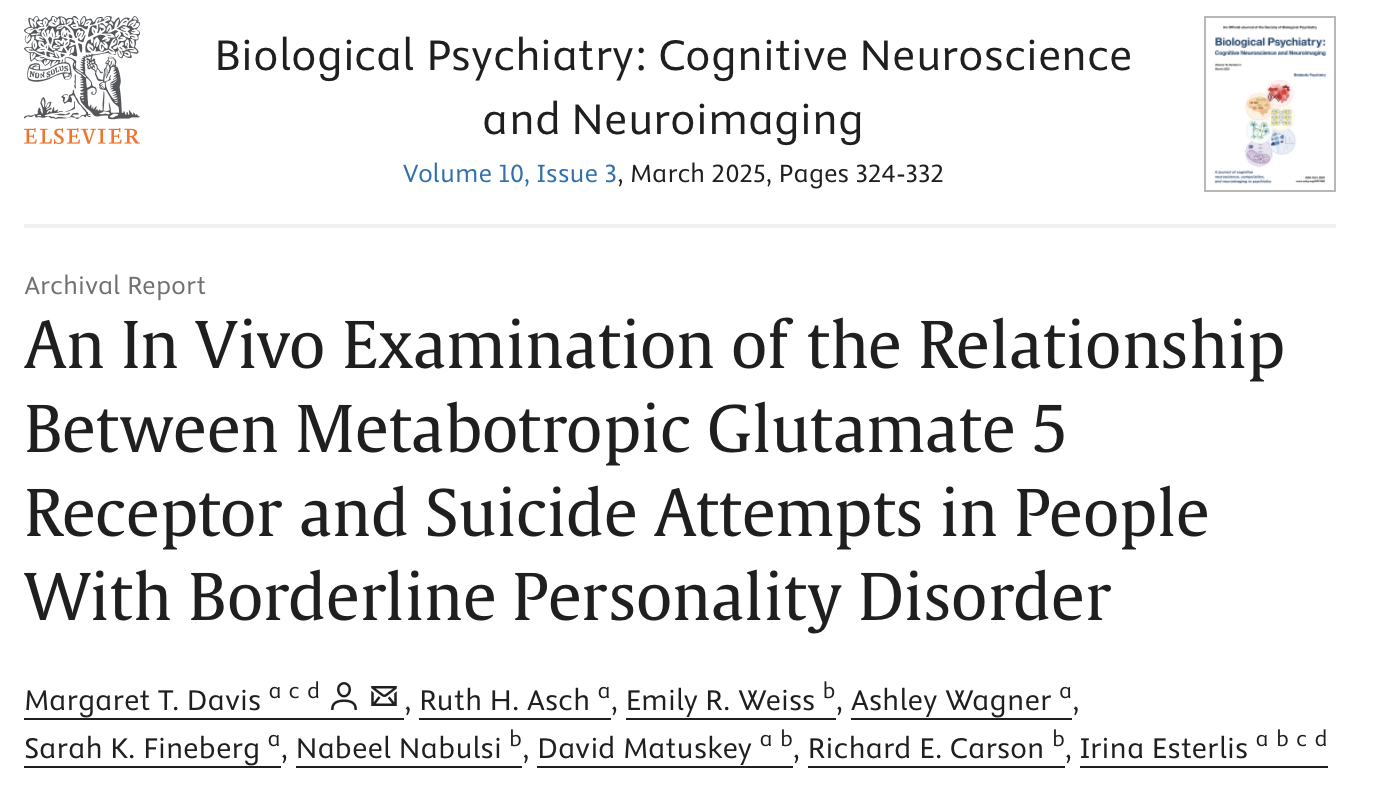
An In Vivo Examination of the Relationship Between Metabotropic Glutamate 5 Receptor and Suicide Attempts in People With Borderline Personality Disorder
Published March 2025 in Biological Psychiatry: Cognitive Neuroscience and Neuroimaging
Authorship Team: Davis, M.T., Asch, R.H., Weiss, E.R., Wagner, A., Fineberg, S.K., Nabulsi, N., Matuskey, D., Carson, R.E., & Esterlis, I.
-
![]()
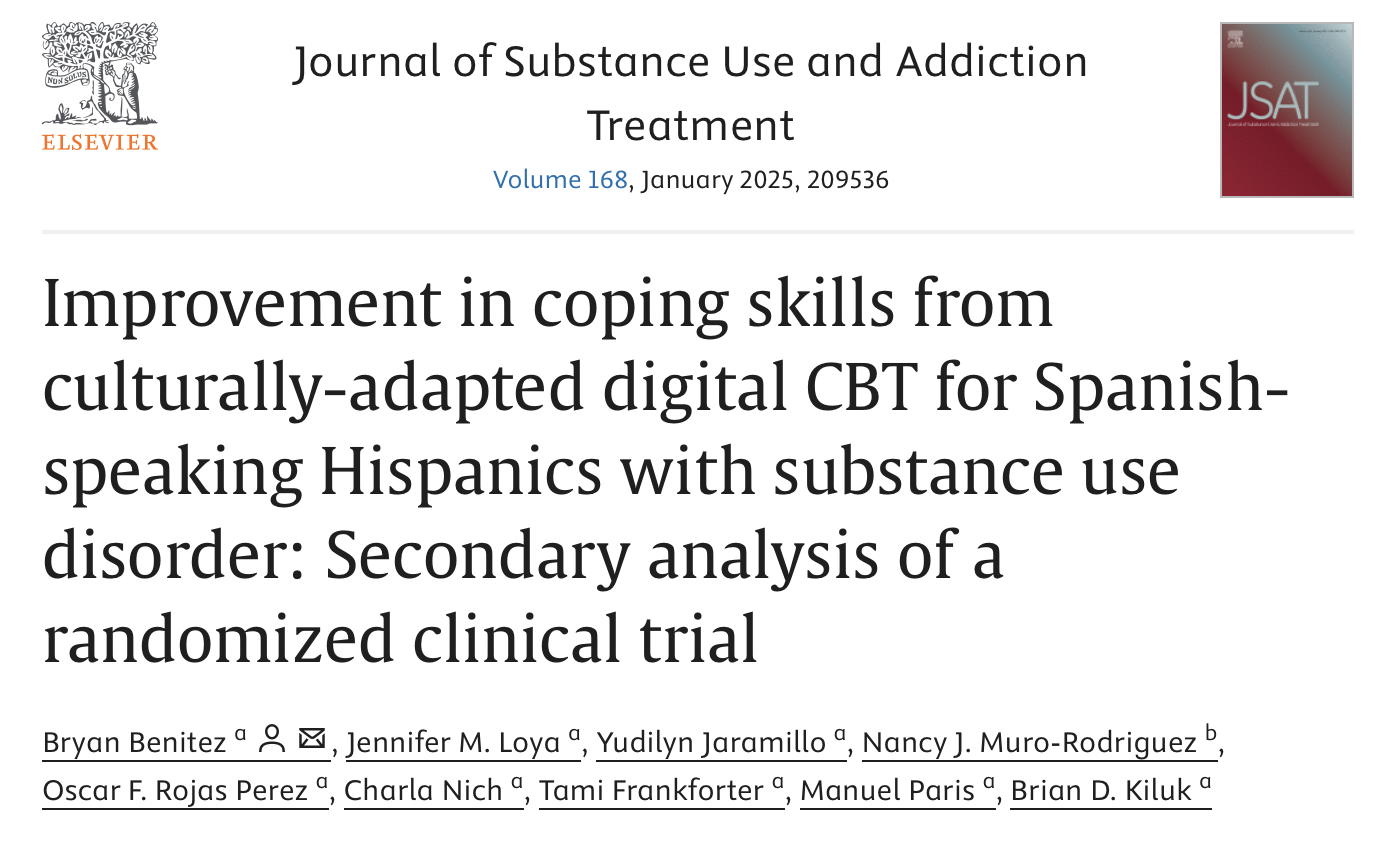
Improvement in coping skills from culturally-adapted digital CBT for Spanish-speaking Hispanics with substance use disorder: Secondary analysis of a randomized clinical trial
Published January 2025 in Journal of Substance Use and Addiction Treatment.
Authorship team: Benitez, B., Loya, J.M., Jaramillo, Y., Muro-Rodriguez, N.J., Rojas Perez, O.F., Nich, C., Frankforter, T., Paris, M., & Kiluk, B.D.
-
![]()
The transdiagnostic role of boredom within personality disorder symptoms and risk-related behaviors: Implications for dialectical behavior therapy
Accepted to Journal of Psychotherapy Integration.
Authorship Team: Weiss, E.R., Mullens, S., Todman, M., Barnes, S.E., Lord, K.A., & Davis, M.T.
-
![]()
Valid use of the Tonic Immobility Scale with consideration of peritraumatic substance use: Analysis of item differences and measurement invariance
Accepted to Psychological Trauma: Theory, Research, Practice, and Policy.
Authorship team: Anderson, R.E, Schaffer, M.R., Davis, M.T., Bennett, D.C., Epshteyn, G., & Sexton, M.B.





Announcements
Announcements
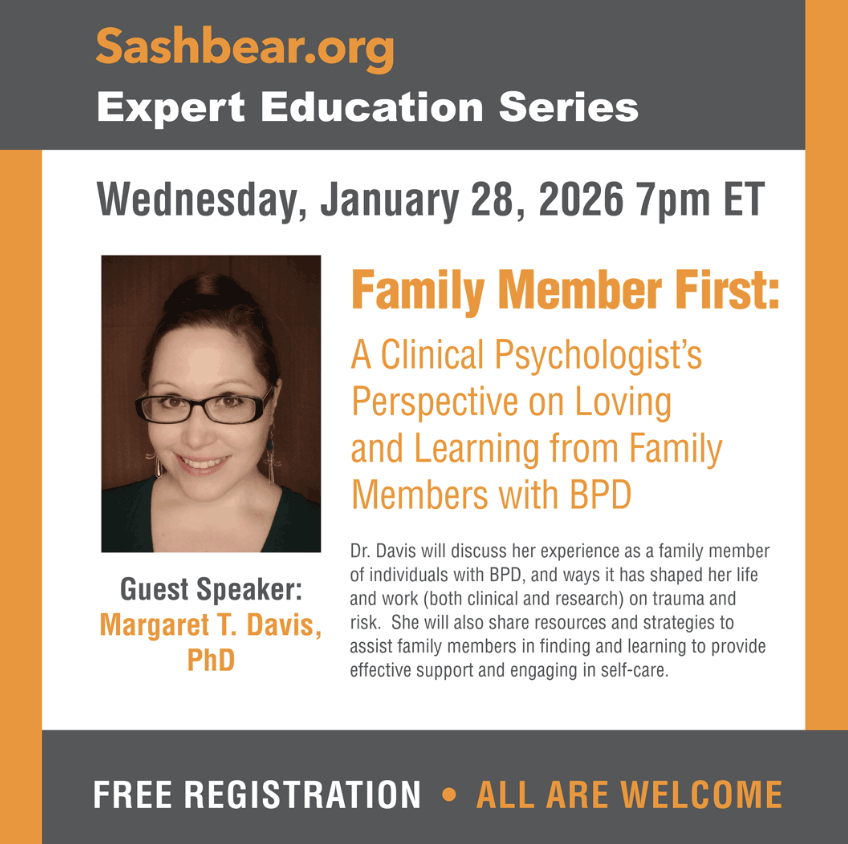
Family Member First: A Clinical Psychologist’s Perspective on Loving and Learning from Family Members with BPD
Webinar hosted by the Sashbear Foundation
When:
Wednesday, January 28th 7:00 PM EST
Event is free to attend, and all are welcome!
ABCT 2025
The UPLiFT Lab will be attending the 2025 Association for Behavioral and Cognitive Therapies’ (ABCT) Annual Conference in New Orleans, LA!
We are so excited to present our work from November 20 - 23. Check back soon to see our work and more pictures from the conference!


Chatbots & Mental Health: Exploring Risks, Safeguards, & Possible Benefits
Webinar hosted by the National Academy of Medicine
When:
Wednesday, January 14th 3:00-4:30 PM EST
Event is free to attend!
If you are interested, please register ASAP to secure your spot!

This FREE webinar hosted by the National Academy of Medicine will discuss accessibility and effectiveness of mental health care in America, and the growing concern over the use of generative AI, such as ChatGPT, to provide mental health advice. This webinar will discuss what role generative AI may play in providing mental health services, and ethical considerations surrounding the use of generative AI to do so.
Clinicians, researchers, and experts in the use of AI technology will discuss current research on the use of generative AI “chatbots” to address mental health concerns by the public, and what is still unknown about this practice. They will also discuss the advantages and disadvantages of the use of chatbots for this purpose, as well as methods that have been implemented to ensure public safety and protect users of these chatbots.


Learn more about our work!
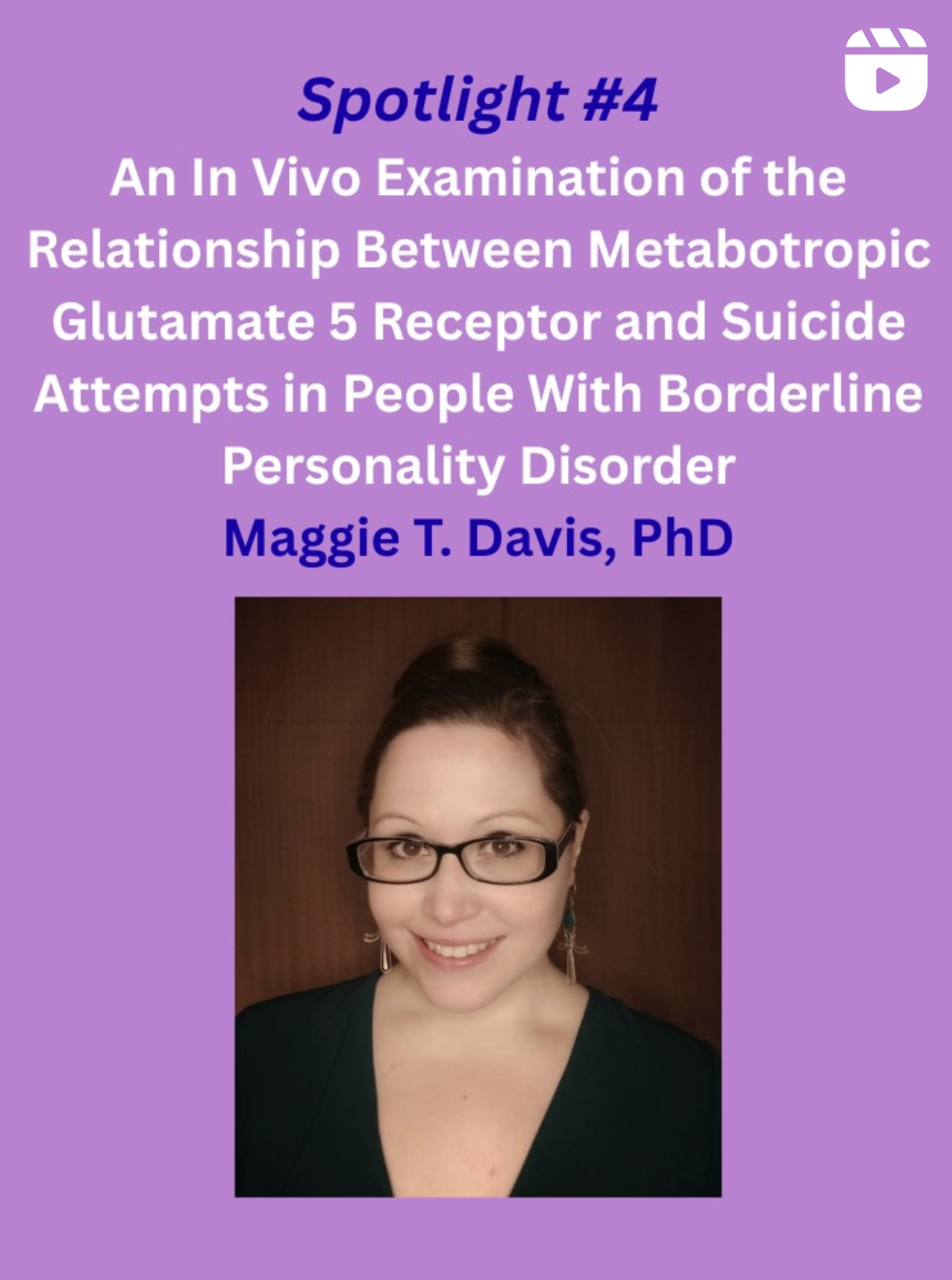
Thank you to our friends at @youth.navigate for featuring our work! Click the image below to listen to Dr. Davis discuss her recent work investigating the connection between metabotropic glutamate 5 receptor (mGlu5) with suicide attempts in people with BPD!